The Role of Technology in Online Learning
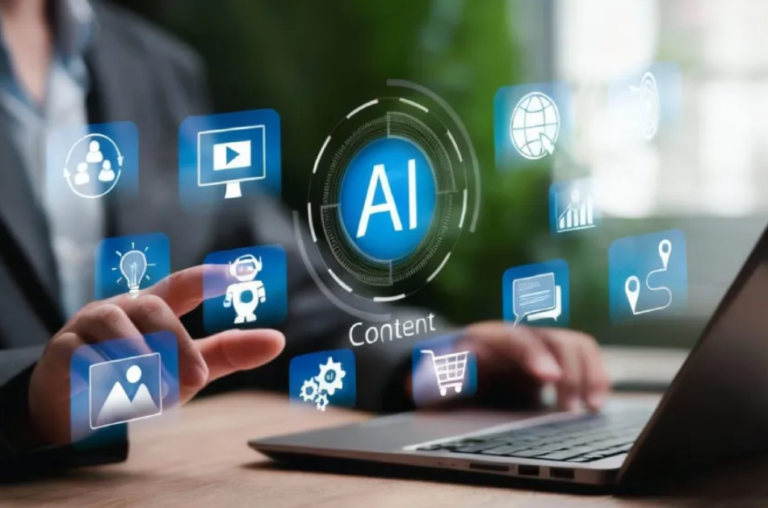
Technology significantly alters the landscape of online learning. It fosters engagement through interactive elements and enhances collaboration among students. Adaptive tools cater to individual learning styles, promoting personalized educational experiences. However, the integration of technology also presents challenges that require careful consideration. Exploring these dynamics reveals a complex relationship between innovation and education, raising questions about how effectively technology can bridge gaps in understanding and accessibility. What implications does this have for the future of learning?
Boosting Student Engagement With Technology in Online Learning
How can technology enhance student engagement in online learning environments?
By implementing gamification strategies and interactive content, educators can transform traditional learning into immersive experiences.
These innovative approaches foster motivation and participation, allowing students to take ownership of their learning.
As learners navigate challenges and rewards, their engagement deepens, ultimately leading to improved retention and satisfaction in the online educational landscape.
Technology’s Role in Virtual Classrooms and E-Learning Platforms
As virtual classrooms and e-learning platforms continue to evolve, technology plays a pivotal role in shaping the educational experience.
Virtual collaboration tools enable seamless communication and teamwork among learners, fostering engagement and a sense of community.
Meanwhile, interactive content enhances understanding and retention, allowing students to explore concepts dynamically.
Together, these technological advances create an enriching environment that promotes effective learning.
Personalizing Learning Through Adaptive Technologies
What factors contribute to the effectiveness of adaptive technologies in personalizing learning experiences?
Adaptive assessments play a crucial role by tailoring content to individual student needs, promoting engagement and retention.
Furthermore, individualized feedback fosters a supportive learning environment, allowing learners to progress at their own pace.
Together, these elements empower students, enhancing their educational journey and cultivating a sense of autonomy in their learning process.
See also: okaymuz
Tackling Online Learning Challenges With Technology
The effectiveness of personalized learning through adaptive technologies lays the groundwork for addressing the myriad challenges faced in online education.
Accessibility solutions ensure that diverse learners can engage with course materials, while advanced communication tools facilitate real-time interaction between students and educators.
Together, these technologies foster an inclusive and dynamic learning environment, empowering individuals to navigate their educational journeys with greater autonomy and confidence.
Conclusion
In conclusion, technology emerges as a transformative force in online learning, enhancing engagement while personalizing educational experiences. Coinciding advancements in virtual classrooms and adaptive tools create a harmonious ecosystem where learners thrive. As challenges in online education persist, innovative technological solutions pave the way for effective collaboration and motivation. Ultimately, the integration of these elements not only enriches understanding but also fosters a supportive community, making the online learning journey more fulfilling and impactful for students.